
Paver Patios & Walkways
Pavers
Read more403 Navaho Dr, Frederick, MD 21701

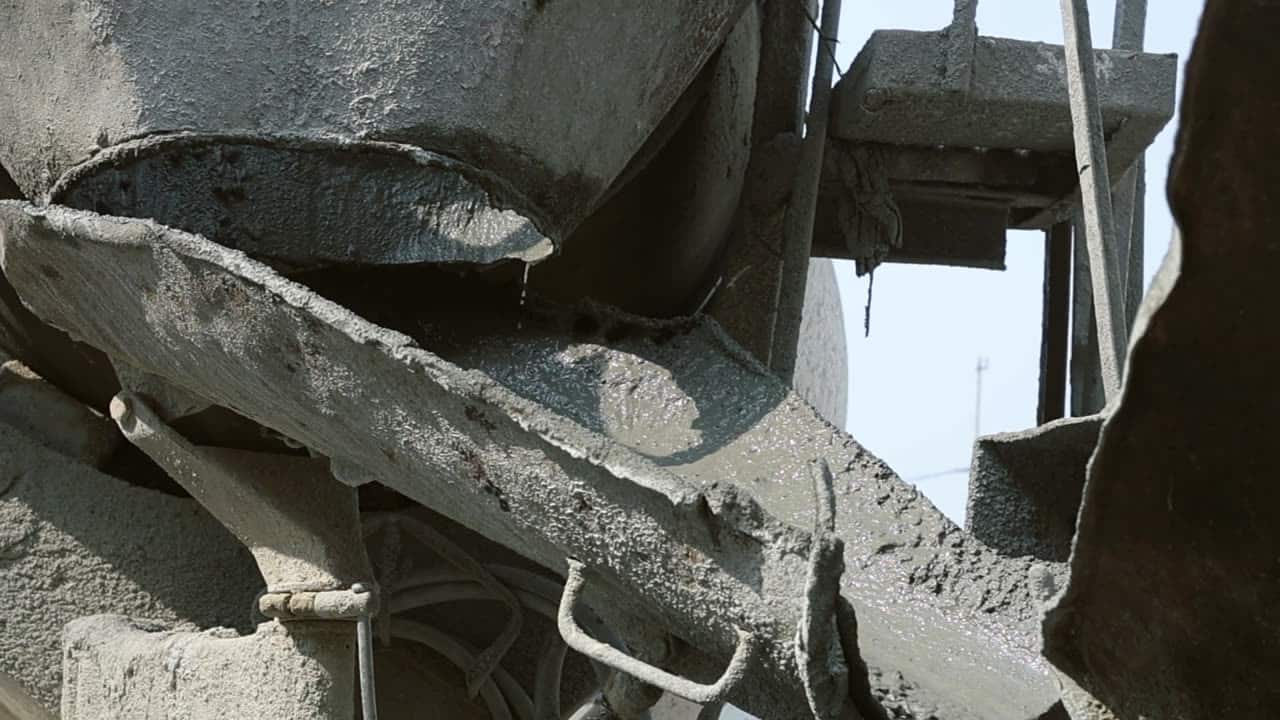
Concrete in Frederick & Central MD
Residential concrete across Frederick and Central Maryland — driveways, patios, walkways, slabs and steps. The base prep and the joint layout are what decide whether a slab is still flat in fifteen years.
Quick answer
Concrete driveways in the Frederick area generally run $8 to $18 per square foot installed. Plain broom-finish patios and walkways sit at the low end of that; stamped and decorative finishes run $15 to $25 per square foot. Demolition of an existing slab adds $3 to $8 per square foot, and our clay subsoils can add another $2 to $5 per square foot in base preparation. These are 2026 ranges — your number comes from a walkthrough.
The work
Concrete does not fail because of the concrete. It fails because the base underneath it was not compacted, because the slab was poured too thin for what drives on it, or because nobody cut control joints where the slab was always going to crack.
Maryland adds its own test: the freeze-thaw cycle. Water gets into a slab, freezes, expands and works it apart — which is why air entrainment, proper drainage and sealing matter more here than they do further south.
Frederick-area residential flatwork, installed, 2026. Removal of existing concrete, poor access and heavy grading are extra and get quoted after a site visit.
Ranges, not quotes. Real numbers come from a walkthrough — access, condition, height and finish level move a price more than square footage does. Estimates are free and in writing.
Get your numberFull concrete cost guide for MarylandPrefer to just talk?
Call and describe the job. You’ll get a straight answer on whether it’s something we do and roughly what it runs.
(301) 524-1729
Self-performed
Concrete
What’s included
Written into the estimate, not assumed. If something on your job is not on this list, it gets priced and named before anyone starts.
Dug to depth, graded to drain away from the house, and a compacted stone base built in lifts — not dumped and driven over once.
Formed to line, rebar or mesh where the loading calls for it, and poured at the right thickness for the use — driveways are not patios.
Air-entrained mix on anything exposed to freeze-thaw, which is most exterior flatwork in this state.
Joints placed on a proper grid and cut in the window where they actually work — this is what decides whether cracks are straight and hidden or random and visible.
Broom finish for grip on driveways and walks, smooth for interior slabs and garages, exposed aggregate where you want the texture.
Cured properly rather than left to dry out fast, and sealed once it has cured — the cheapest life extension available to a Maryland slab.
On the job
What the trade looks like at each stage. Photos of our own recent jobs come out at the walkthrough, on the actual house.


Straight answers
Not covered here? Call and ask — you’ll get a real answer, not a “depends on the job”.
Clay holds water and moves with it — it swells when wet and shrinks when it dries, and that movement is what cracks and tilts slabs poured straight onto it. The fix is not more concrete, it is base: excavating deeper, replacing the top of the subgrade with compacted stone that drains, and grading so water leaves rather than sits. That extra base work is why a Frederick driveway can cost more than the same slab poured on sandier ground, and why skipping it shows up in about three winters.
Often, yes — and it varies by county and by whether the work touches the public right of way. Frederick County and the City of Frederick treat a new or widened driveway apron differently from a patio in your back yard, and impervious-surface limits can apply. Your county permit office is the authority; we will tell you what we believe applies before work starts rather than after.
Walk on it after about 24 to 48 hours, drive a car on it after about seven days, and keep heavy vehicles off for the full 28-day cure. Concrete reaches most of its strength in the first week but is still gaining for a month.
All concrete cracks — the job is controlling where. That is what control joints are for: they give the slab a deliberate weak line so it cracks straight, in a place you barely notice, instead of randomly across the middle. A slab with no joints or badly placed ones is the one you notice.
Spring through autumn. Concrete needs to be protected from freezing while it cures, so winter pours need blankets, heated enclosures or admixtures, all of which add cost. Extreme summer heat has the opposite problem — the surface dries too fast — and gets managed with timing and curing compounds.
Yes, for exterior flatwork in Maryland. Freeze-thaw damage starts with water getting into the surface, and a sealer applied after the initial cure and refreshed every few years is the cheapest thing you can do to extend a slab's life.
While the crew is there

Talk to the people doing the work
Tell us what needs doing. We’ll walk it with you, sequence every trade it touches, put the price in writing, and leave you to decide.
Get a quote
Two short steps. No obligation, no pressure — just a clear number and a straight answer about what the job involves.


Tick as many as you like. Most jobs are two or three of them at once, and I sort out the detail when I come and look. Nobody gets turned away for choosing the wrong box.


